Date21.10.26
Location Africa
Inauguration
Angola has a new platform for bringing the world to its capital.
Just days after its inauguration on 24 August 2026, the Palace hosted an African Union meeting on 30 August, associated with the 21st Extraordinary Session of the Assembly of Heads of State and Government. It is now set to host the fourth edition of the Luanda Biennale on 22 and 23 October 2026. Jointly organised by the African Union, the Government of Angola and UNESCO, the event will focus on “Strengthening Water Governance in Africa as a Tool for Conflict Prevention, Mediation, and Resolution”.
These gatherings come at a pivotal moment for Angola, as the country aims to strengthen business tourism, diplomacy and major conferences to attract investment and raise its global visibility. Earlier in 2026, International Congress and Convention Association (ICCA) President Senthil Gopinath visited Angola and praised its readiness to host large-scale international events. He particularly highlighted the then-under-construction convention centre in Chicala as a key step forward for the country.
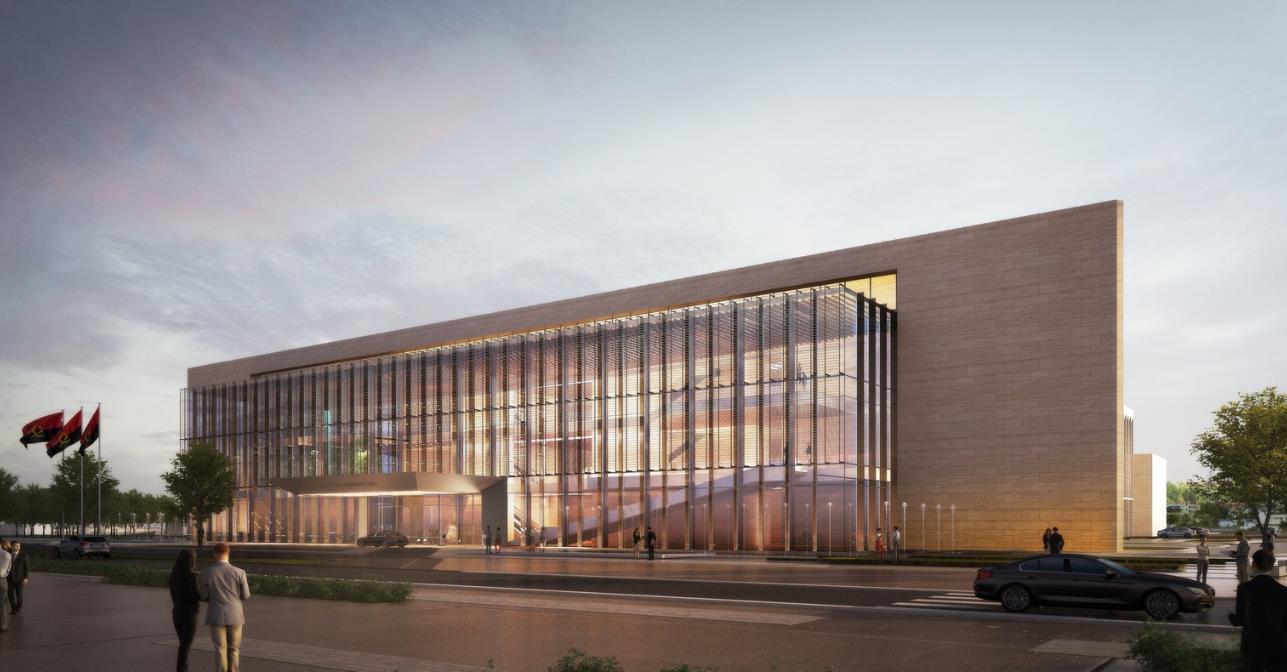
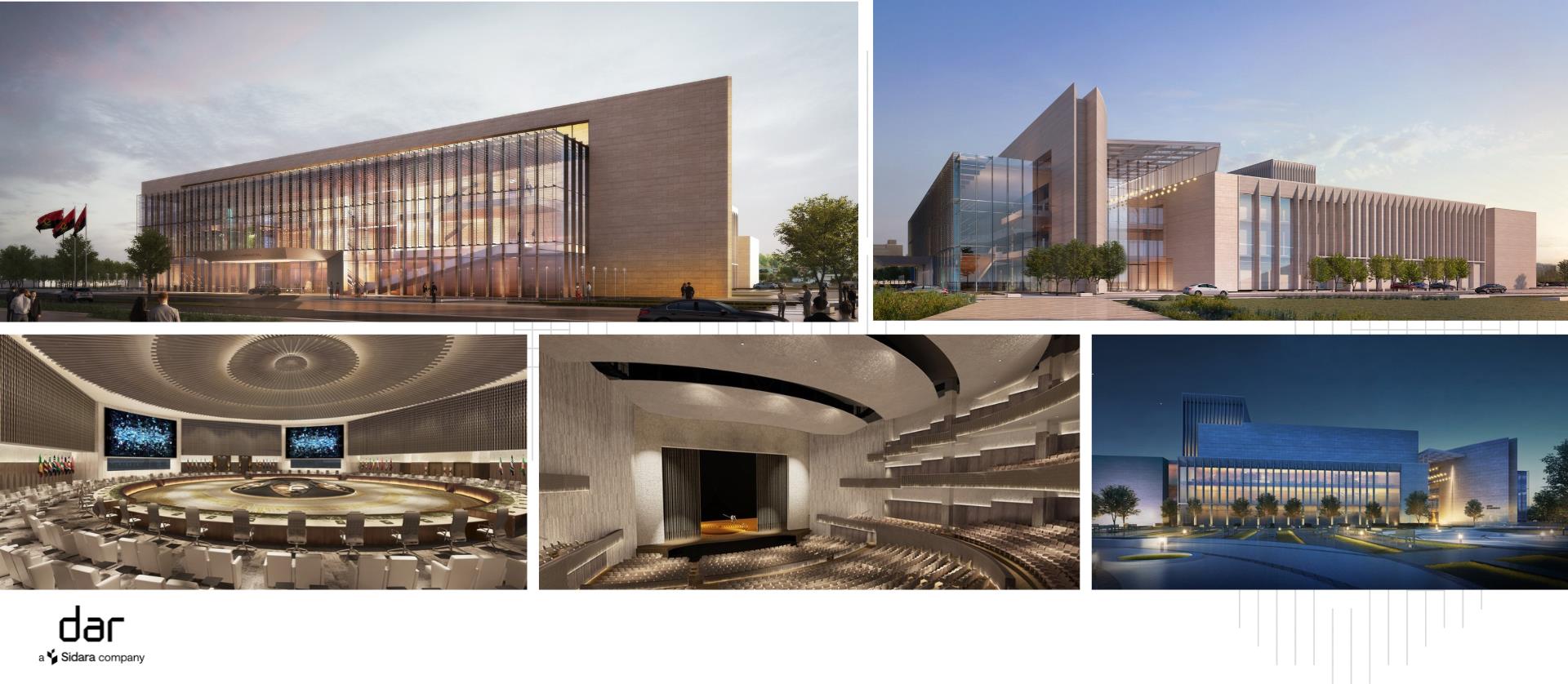
Built on a roughly 80,000 m² seafront site in the Chicala area, the government-owned complex is anchored by a 3,000-seat multipurpose Grand Theatre, complemented by conference and executive rooms, flexible meeting spaces, a business centre and welcoming gathering areas. The result is a single venue equipped to handle everything from major international congresses to high-level diplomatic meetings.
Dar undertook the comprehensive design of the complex and provided technical coordination throughout the Construction Stage, working alongside a range of public and private stakeholders. Construction also contributed to the local economy, generating approximately 4,500 direct jobs, more than 90% of which were filled by young Angolans.
With its prominent Atlantic waterfront setting, large-scale capacity and flexible event spaces, the Luanda Convention Palace offers a lasting focal point for diplomacy, business, culture and knowledge exchange, and marks a significant step in Angola’s — and Africa’s — rise on the world stage.
Related Projects